Netsteril

Biodecontamination Services and Consultancy

Biodecontamination Services and Consultancy in Aseptic Processing and Biosafety

Thumbnail vídeo servicios biodescontaminación VH2O2.

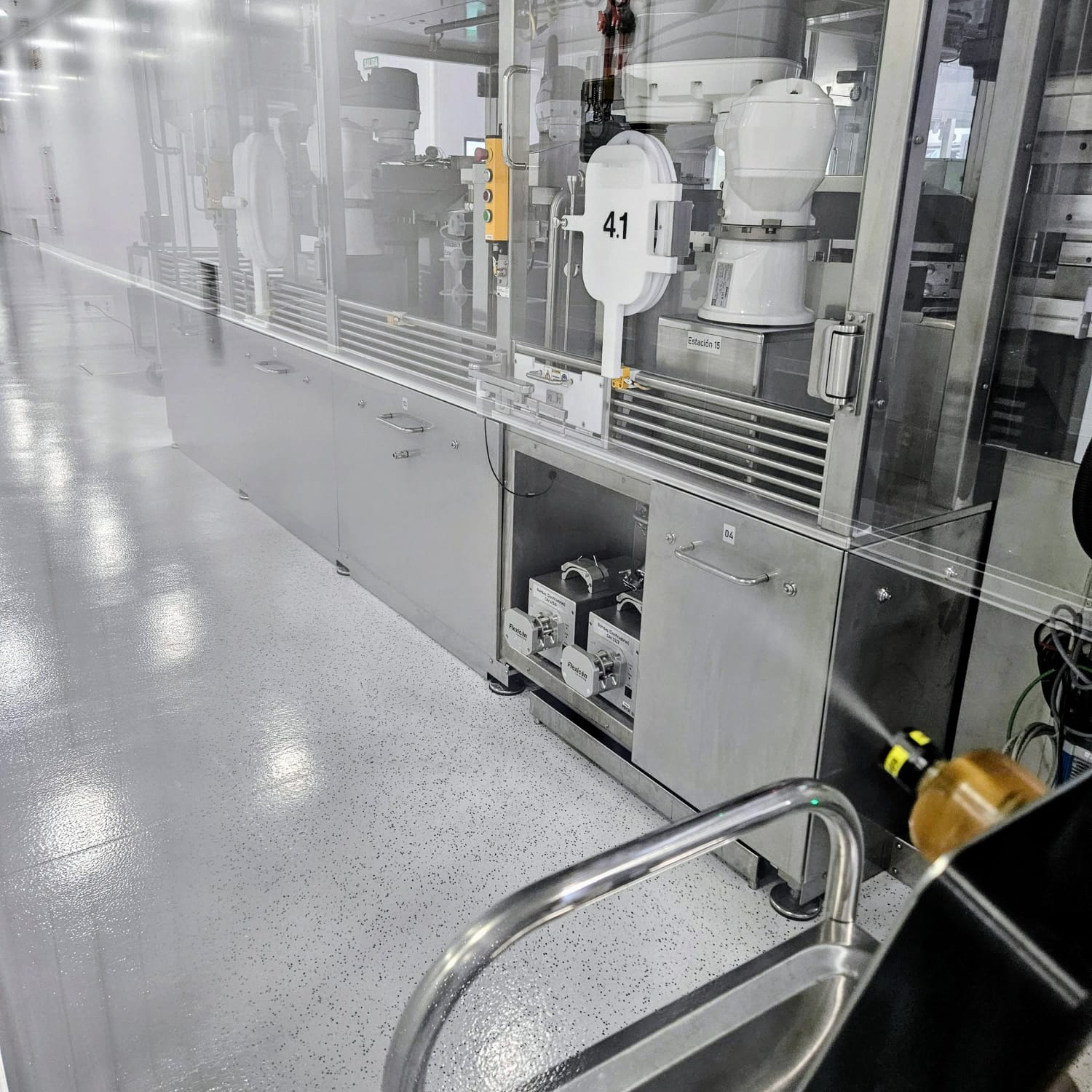
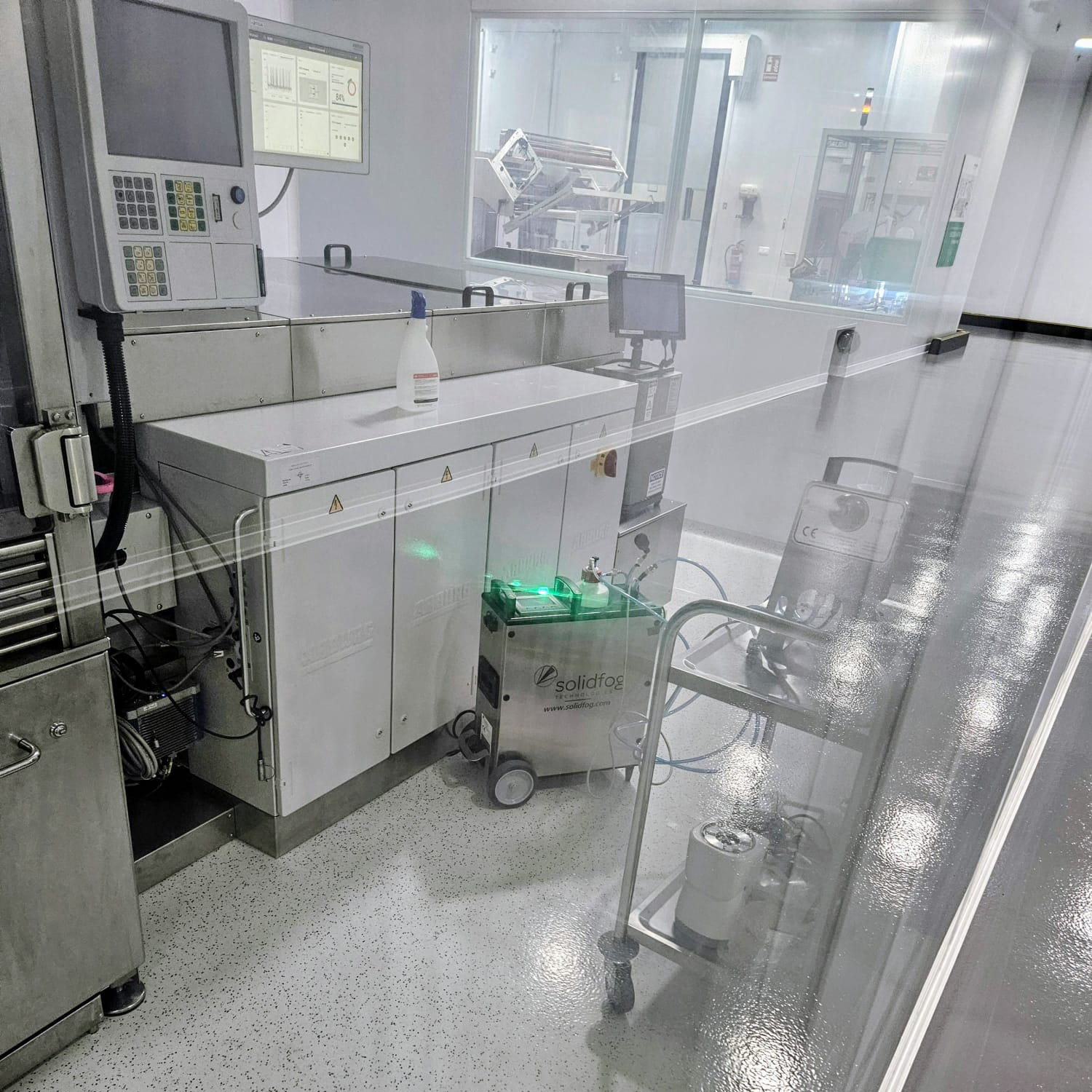
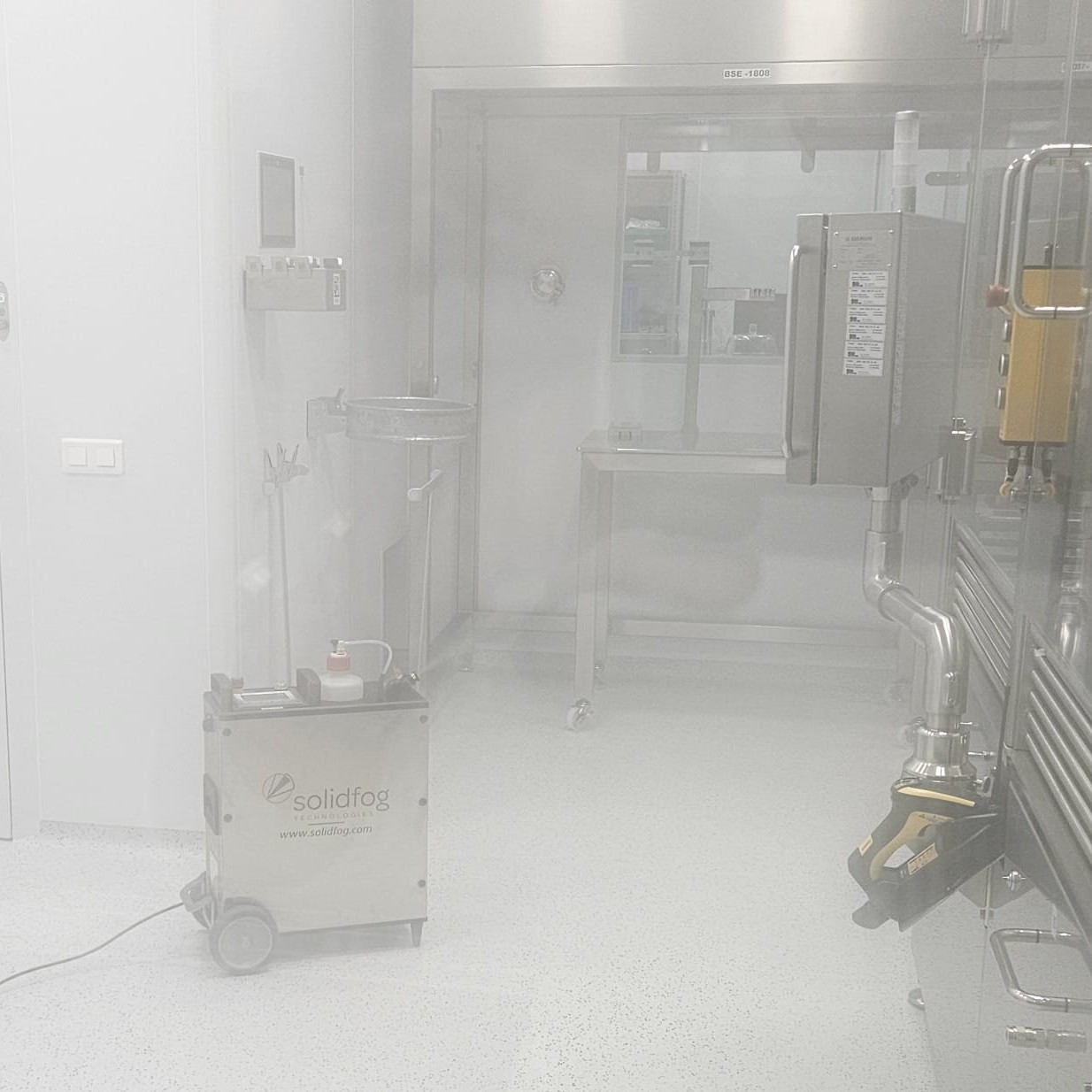
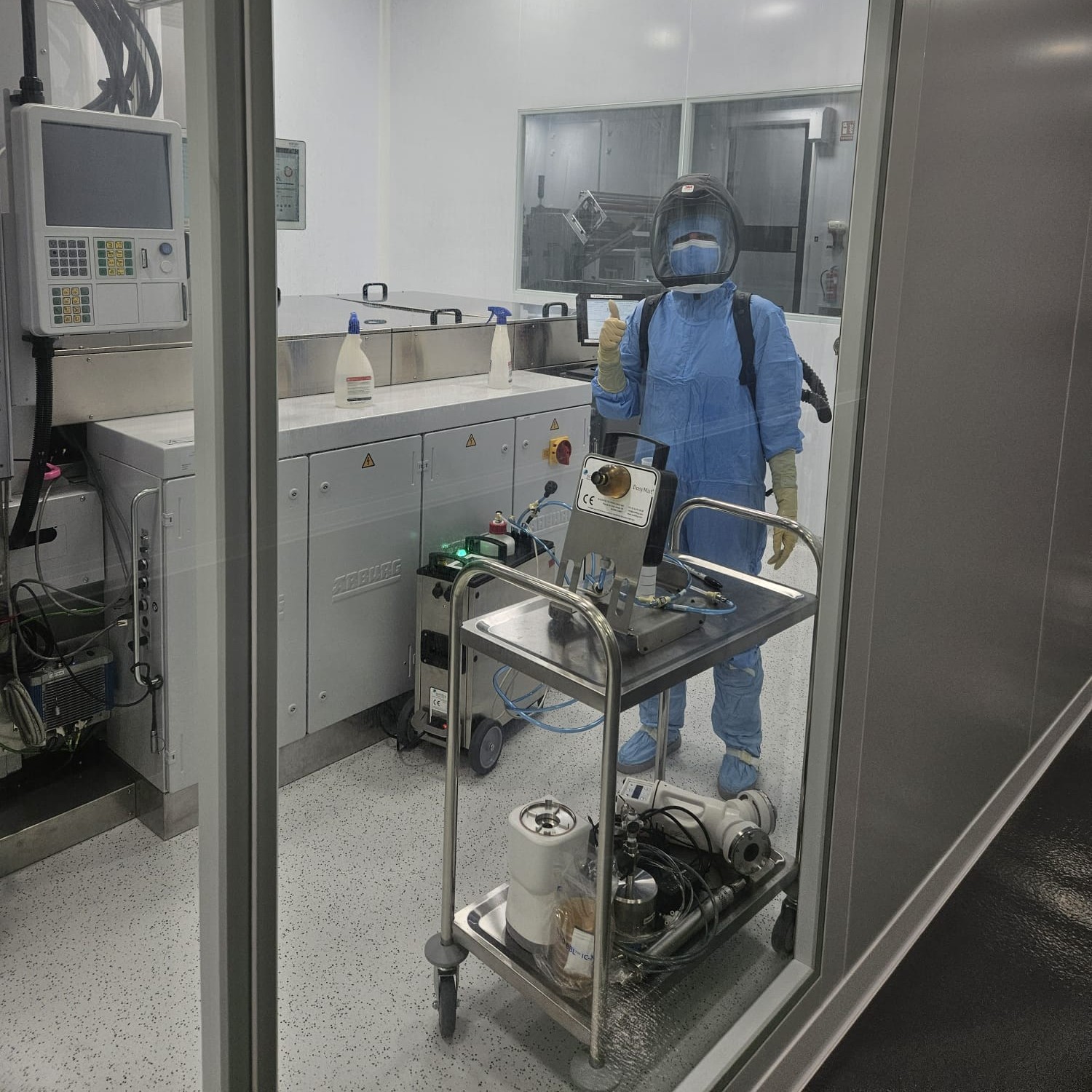
Netsteril is a company specialised in biodecontamination services for the pharmaceutical and biotechnological industries, with extensive experience in the use of vapourised hydrogen peroxide (VH₂O₂) in sterile and controlled environments.

We provide ad-hoc services and technical consultancy for the cleaning, disinfection and validation of cleanrooms, laboratories, isolators, incubators and biosafety cabinets, ensuring compliance with the highest standards of quality, biosafety and GMP regulations.

Our approach combines technical execution, validation and expert advisory, positioning Netsteril as a strategic partner in contamination control for aseptic environments.

Ad-hoc VH₂O₂ Biodecontamination Services

Reliable and validated decontamination interventions using vaporized hydrogen peroxide (VH₂O₂) for critical environments.

Our capabilities include:

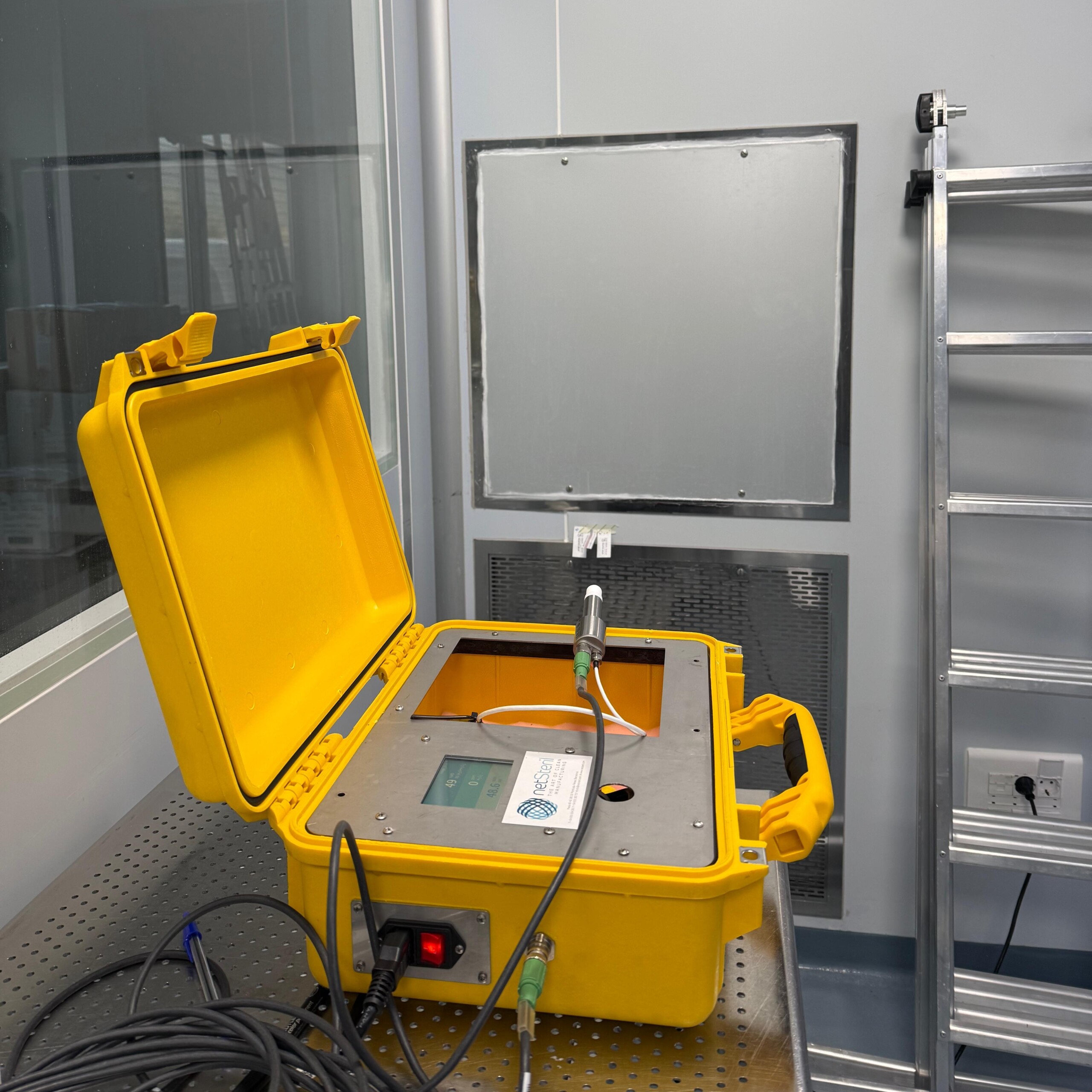
Biodecontamination of cleanrooms and laboratories.

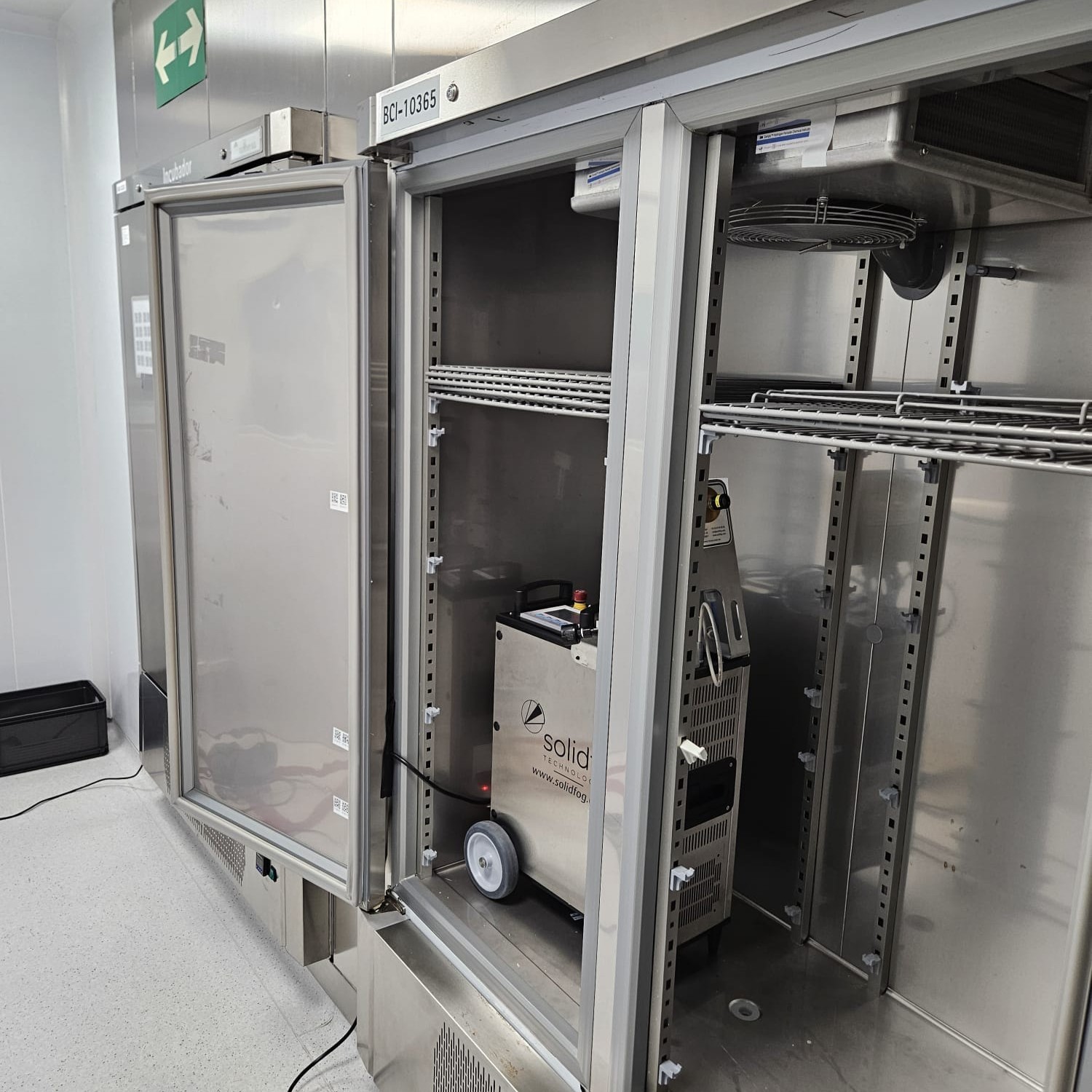
Biodecontamination of incubators.

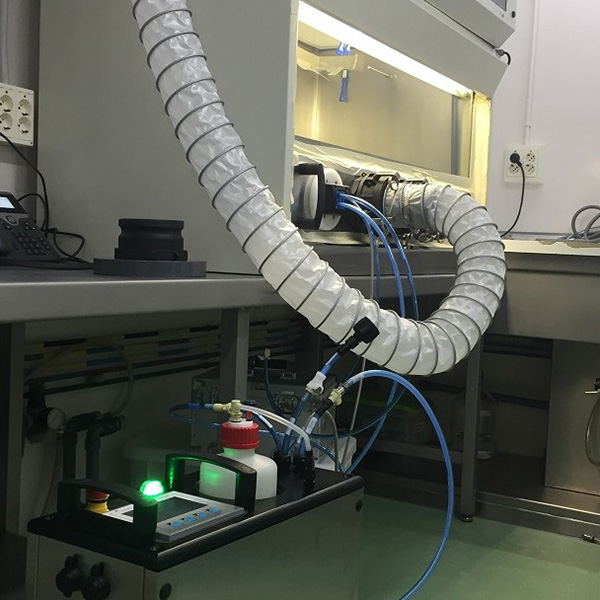
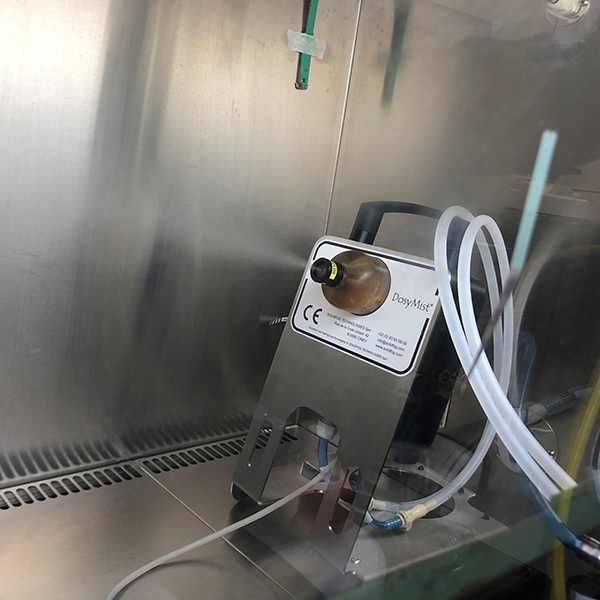
Biodecontamination of biosafety cabinets.
Aseptic and Biodecontamination Consulting

Expert guidance to strengthen hygiene practices and ensure robust contamination control strategies (CCS).

Our consulting services include:

Design of hygiene programs and cleaning/biodecontamination strategies to maximize process quality and productivity.

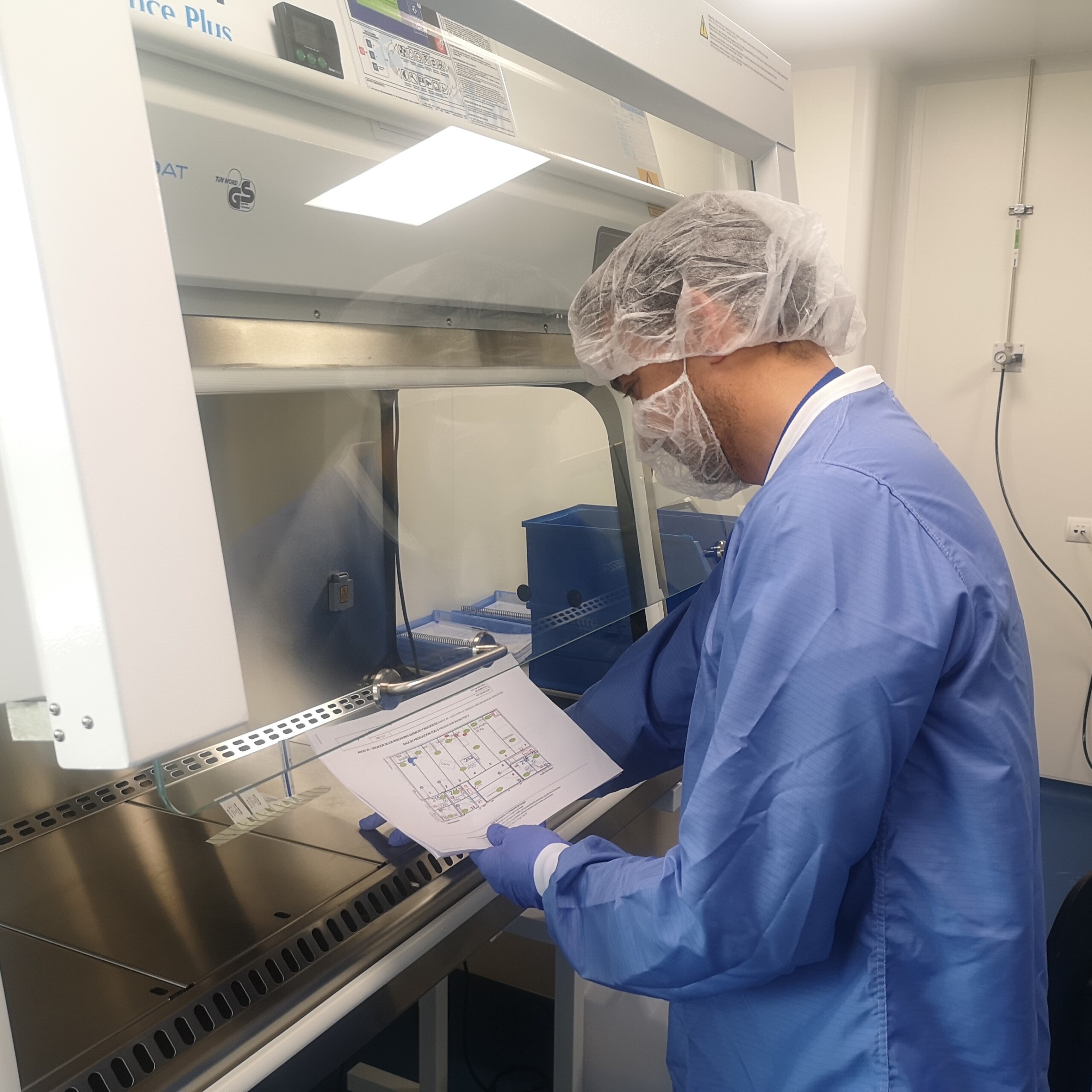
Development of risk assessments and validation protocols for biodecontamination systems.

Support in designing and executing aseptic process simulations (APS).

Biocontainment and Biosafety Services

Holistic support to assess, design and manage biological risk within controlled environments.

We provide:

Advisory and consulting on facility biosafety

Biological risk assessments and definition of mitigation measures.

Facility design guidance and identification of key equipment necessary to address biological hazards.

Summary of our Biodecontamination and Consultancy Services

Service area
Description
Environments
VH₂O₂ biodecontamination
Ad-hoc biodecontamination services using vapourised hydrogen peroxide (VH₂O₂), with controlled and reproducible interventions.
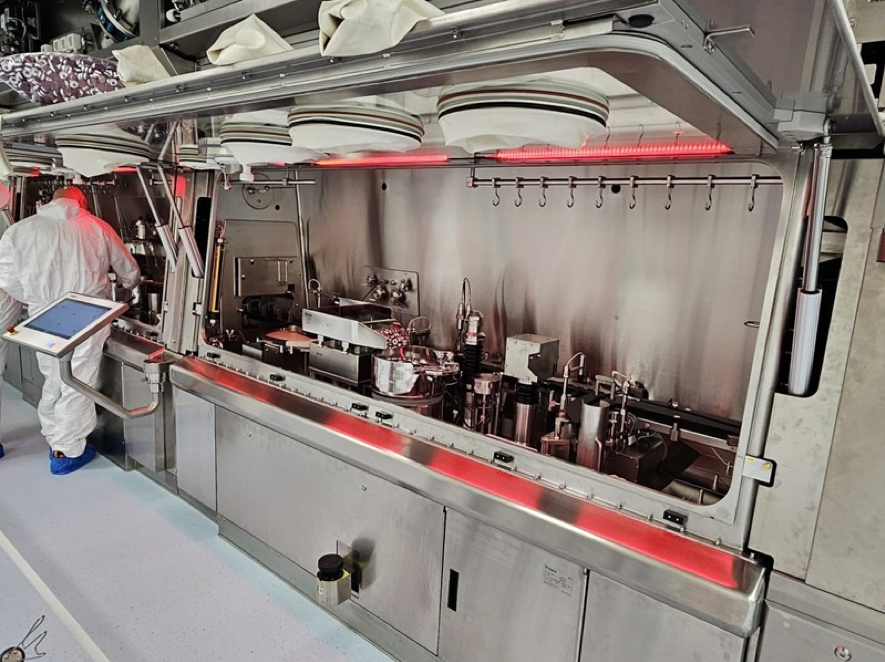
Cleanrooms, laboratories, isolators
Contamination Control Strategy (CCS)
Design and review of contamination control strategies aligned with GMP and Annex 1 requirements.
Pharmaceutical and biotech facilities
Process validation
Development of risk assessments, protocols and validation of biodecontamination systems.
Aseptic environments
APS / Aseptic Process Simulations
Technical support in the design and execution of aseptic process simulations (APS).
Sterile manufacturing
Biocontainment and biosafety
Assessment and management of biological risks, definition of mitigation measures and facility design.
Controlled and critical environments

Frequently asked questions about Biodecontamination

Vaporized hydrogen peroxide (VH₂O₂) biodecontamination is an automated process used in the pharmaceutical and biotechnology industries to achieve controlled reduction of microbial contamination in critical environments.
VH₂O₂ can be generated using:

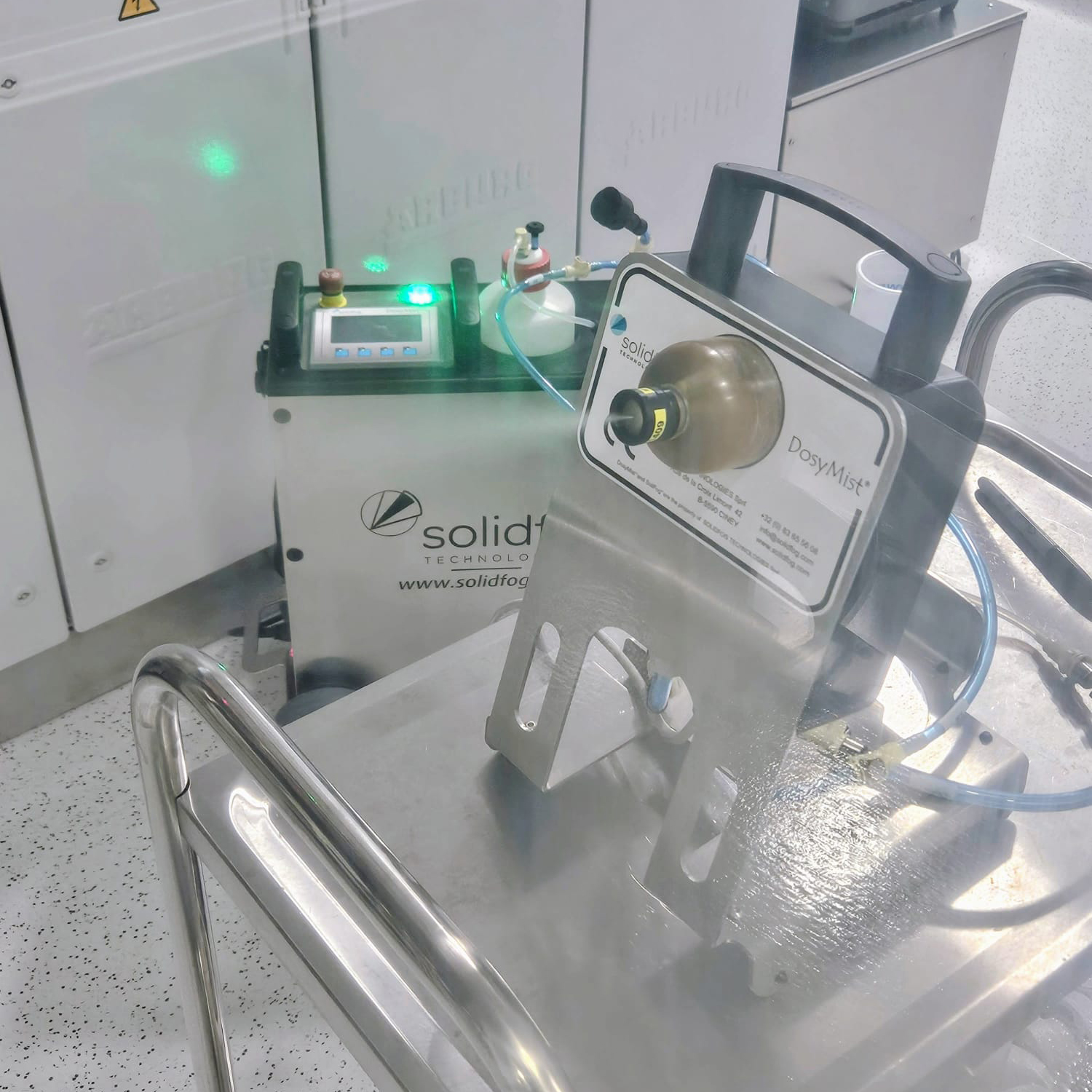
  • Hot generation (flash vaporization): vaporization of a concentrated H₂O₂ solution injected into a heated air stream.
  • Cold generation: atomization or nebulization of the liquid biocide, producing a fine fog.

Both technologies enable homogeneous distribution of the decontaminating agent when the process is properly designed and validated.

It is not a cleaning process and does not replace prior cleaning. Cleaning removes visible dirt and residues, while biodecontamination acts exclusively on microorganisms and must always be applied to previously cleaned surfaces. Although the terms disinfection and biodecontamination are sometimes used interchangeably, biodecontamination generally refers to automatic, reproducible, and validated processes applied to entire volumes such as rooms, SAS, or isolators.

Automatic VH₂O₂ biodecontamination allows reproducible microbial reductions of up to 6-log, even against highly resistant microorganisms. This level of efficacy is difficult to guarantee with manual disinfection, as it depends on application technique, contact time, and operator consistency. VH₂O₂ microcondensation results in high surface concentrations, explaining its strong microbiological efficacy and broad spectrum of action.

No. It is a bi-phasic process, involving both vapor/gas and liquid phases. During the cycle, subvisible microcondensation forms on surfaces. This microscopic liquid phase, rich in H₂O₂, is the primary mechanism responsible for microbial inactivation.

Visible condensation is undesirable, as it may dilute the biocide and affect materials. In contrast, subvisible microcondensation is necessary and desirable, as it enables rapid and effective microbial inactivation. The objective is to control condensation, not to eliminate it completely.

Relative humidity, together with temperature and material characteristics, directly influences:

  • microcondensation formation,
  • the amount of H₂O₂ deposited on surfaces,
  • and overall process efficacy. rgba(117,196,213,0.09)

Each VH₂O₂ technology defines specific operating ranges, and cycles must be designed accordingly to ensure robust and repeatable results.

VH₂O₂ biodecontamination does not follow a classical time/concentration model.
Efficacy mainly depends on:

  • proper microcondensation formation,
  • homogeneous agent distribution,
  • and local surface conditions.

Increasing exposure time or gas-phase concentration alone does not guarantee higher efficacy.

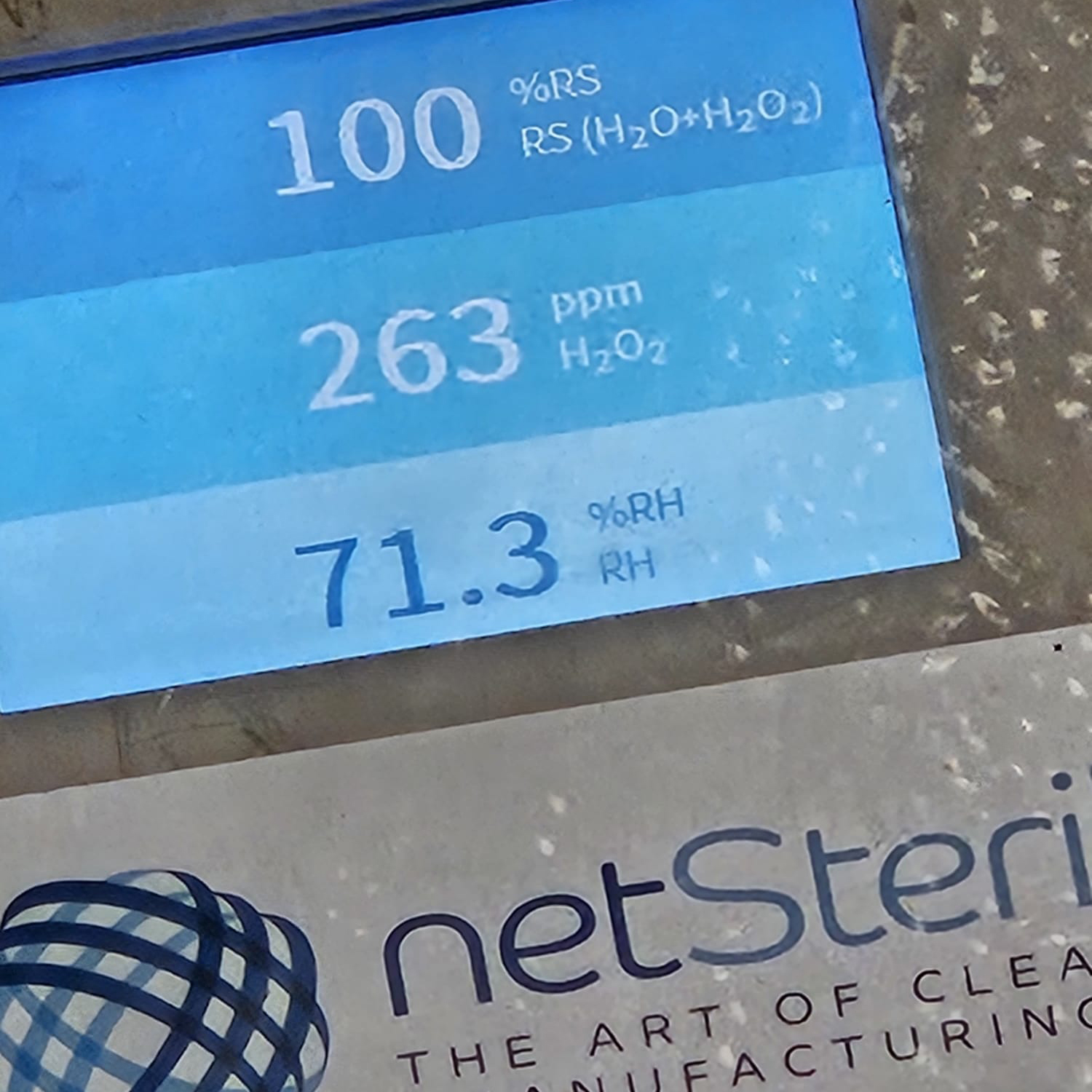
Yes, as a process control parameter, but not as a direct indicator of microbiological efficacy. Microbial inactivation mainly occurs in the condensed liquid phase on surfaces, which is not directly reflected by airborne concentration measurements.

Validation is performed using:

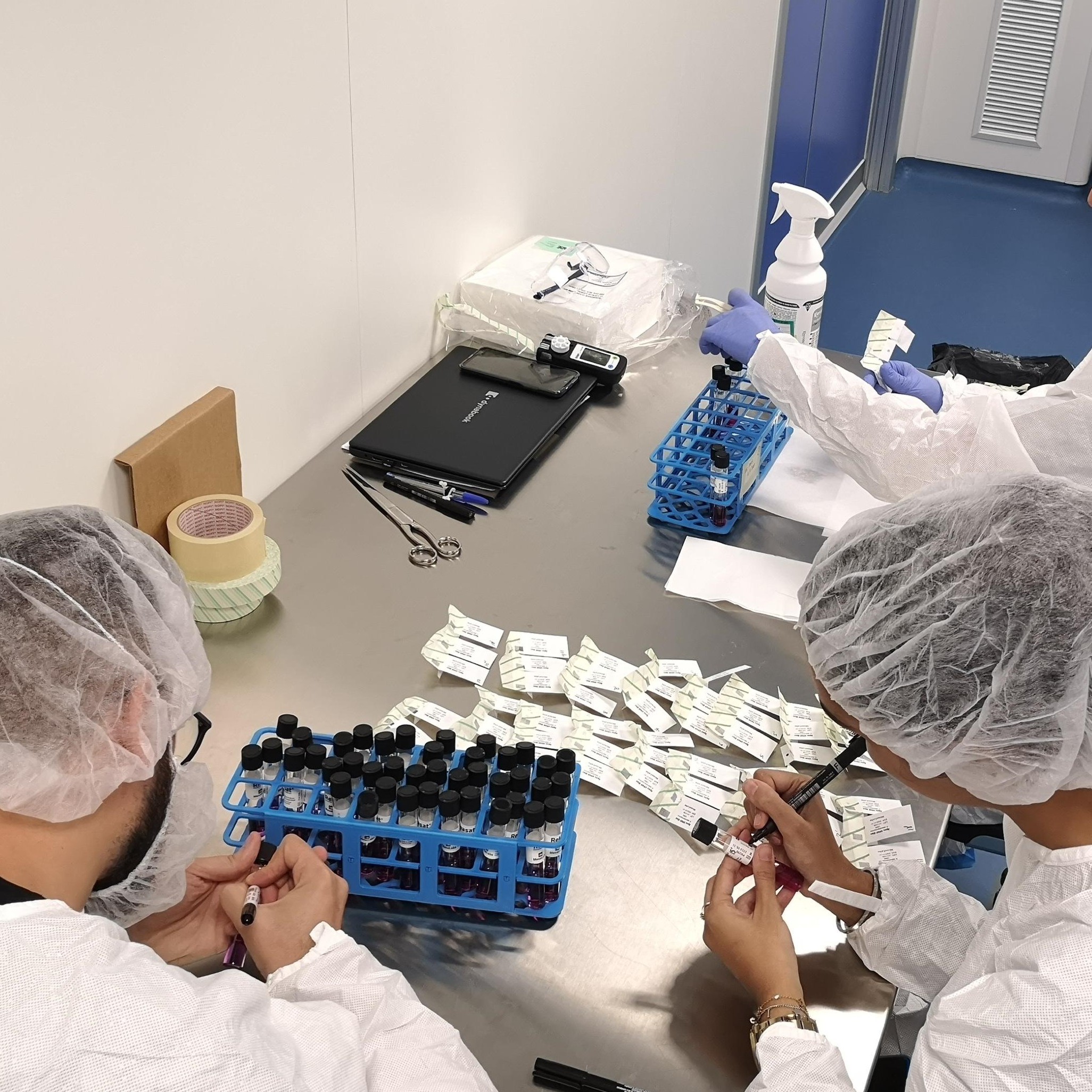
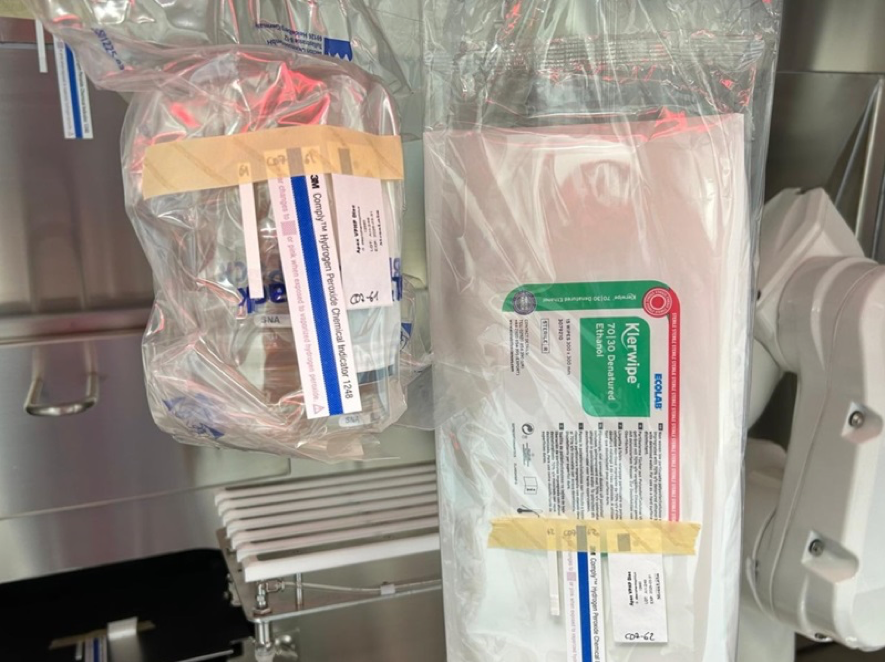
  • Biological indicators (BIs) placed in representative and worst-case locations.
  • Chemical indicators as qualitative confirmation of distribution.

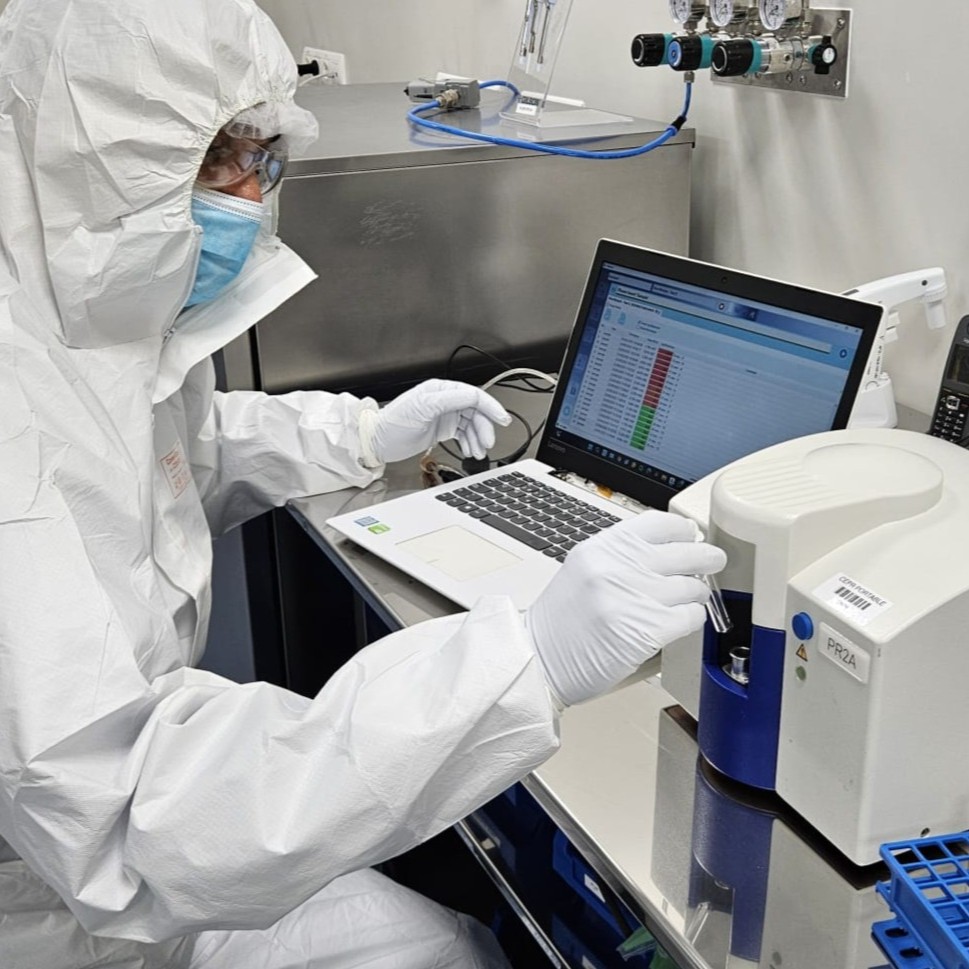
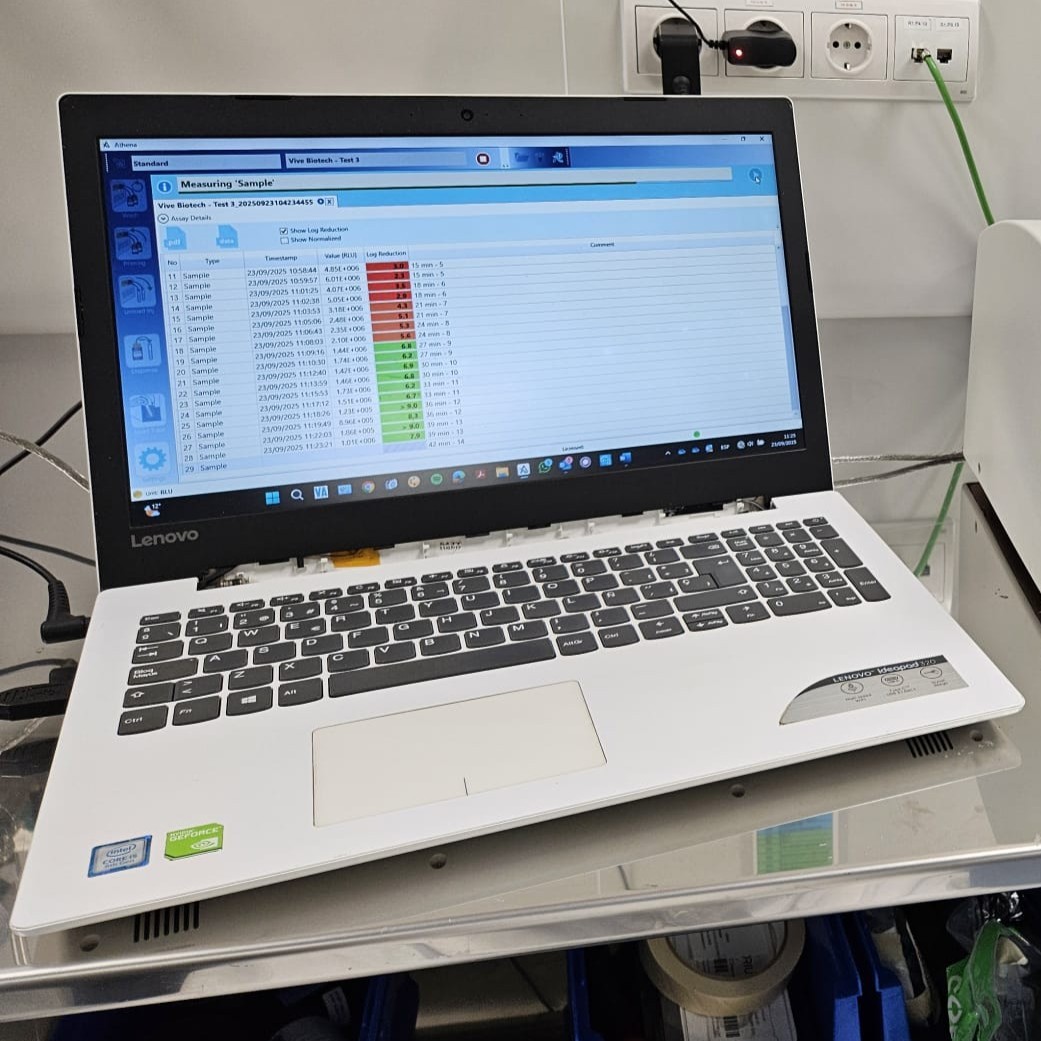
There is increasing use of enzymatic indicators, which provide quantitative data and immediate results, as a complement to traditional validation approaches.

No. In automatic and terminal biodecontamination, rotation is not required. VH₂O₂ is a broad-spectrum oxidizing agent, and no microbial resistance has been documented when it is properly applied.

Yes. VH₂O₂ is generally compatible with most materials used in pharmaceutical environments. It decomposes into water and oxygen, leaving no residues. Final compatibility depends on the material, cycle frequency, and process conditions, so specific assessments are recommended for critical applications.

Yes. VH₂O₂ systems operate in closed volumes and include controlled aeration phases that reduce concentrations to safe levels before re-entry. Once the cycle is completed and aeration is confirmed, areas can be safely reoccupied without residual exposure risk.

Our clients have also been interested in:

Process Technologies Services and Consultancy

Go to Top